Waterproofing is rarely a planned purchase. It tends to show up at the worst time, after a heavy thaw or a string of summer storms when you notice damp corners, efflorescence, or a musty smell in the basement. In Mississauga, the mix of older clay tile drains, higher water tables near the Credit River, and increasingly intense rain events means basement moisture is not uncommon. The repair path is straightforward enough, but the price tag can vary widely. That is where financing and smart payment planning make a real difference.
I have sat at plenty of kitchen tables in Meadowvale, Clarkson, and Port Credit helping homeowners think through the costs and the options. The right solution should protect the house, stay within budget, and avoid surprises. This guide distills what I wish every homeowner knew before they start searching waterproofing services near me.
What drives the cost in Mississauga
Before talking about financing, it helps to understand why two quotes for waterproofing services can look so different.
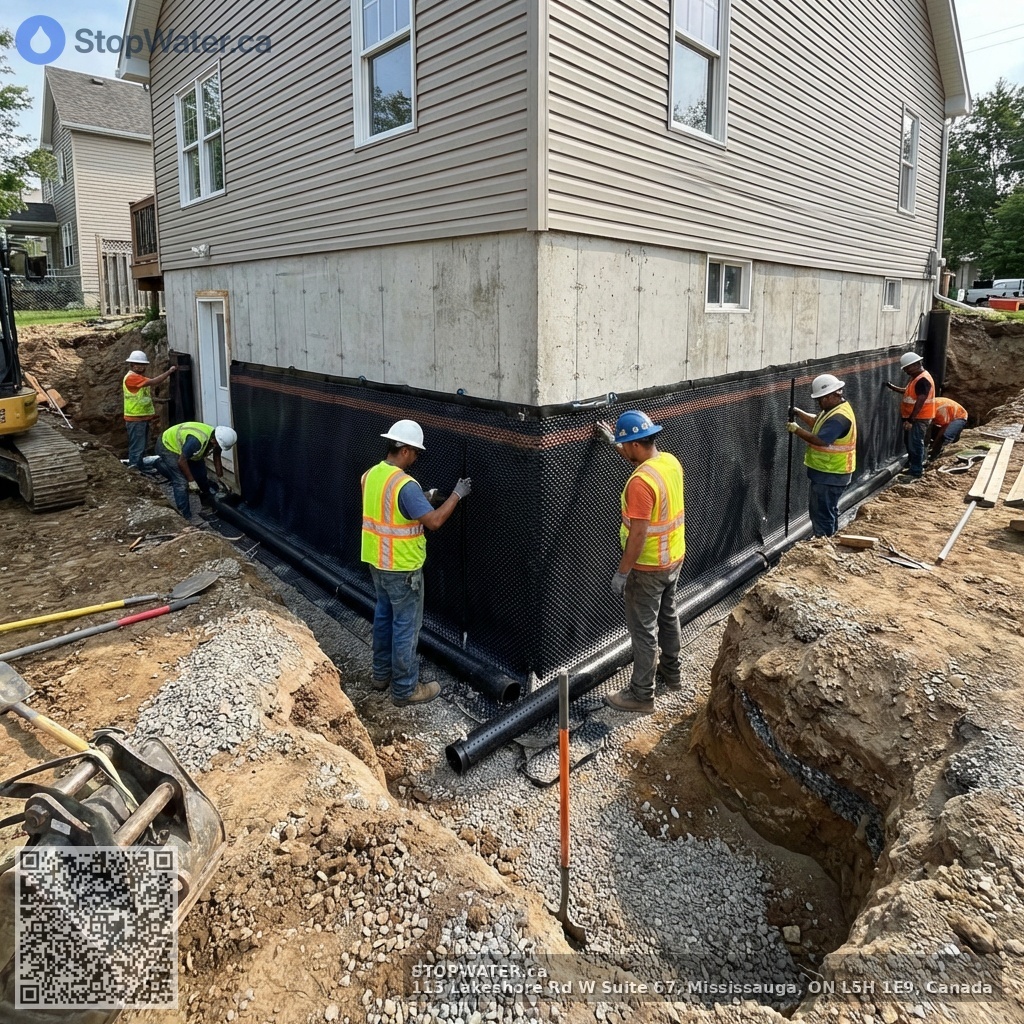
Scope and method come first. Interior drainage work with a dimple board, new interior weeping tile, and a sump system is less invasive than excavating the exterior perimeter down to the footing, but it addresses different problems. Interior systems control water after it enters. Exterior waterproofing stops it before it reaches the wall. The right choice depends on the source of moisture, the condition of the foundation, access, and future renovation plans.
For typical ranges in the GTA and Peel Region:
- Interior perimeter drainage generally runs about $60 to $120 per linear foot, not including extensive finish restoration. A 70 foot basement might cost $4,500 to $9,000, plus drywall and flooring if those areas are opened. Exterior excavation and full waterproofing, including membrane, dimple board, and new weeping tile, often falls between $120 and $300 per linear foot depending on depth, soil, obstructions, and restoration. The same 70 foot span could range from $8,500 to $18,000 or more. Crack injection with polyurethane or epoxy typically ranges from $400 to $900 per crack, higher if access is difficult or multiple passes are needed. Sump pump with pit, discharge, and check valve often costs $1,500 to $3,500, depending on the pump and whether ice guard, battery backup, or exterior discharge trenching is included. Backwater valve installation, including permit and cleanout, often lands between $1,800 and $3,500 in Mississauga, higher if the sewer line is deeper or under the slab in a tricky spot.
These figures reflect labour, materials, excavation, and disposal. Restoration can add more. Replacing interlock, asphalt, or landscaping, or rebuilding a porch footing that rests on the old clay weeper trench, can move the needle by thousands. Always confirm that HST is included in the quote. Thirteen percent is a meaningful number on a larger job.
One detail that catches people off guard is depth. A 9 foot dig against a side wall with a narrow setback is slower and more expensive than a 5 foot dig in an open backyard. Window wells, tie-ins to downspouts, and corner rebar repairs also add to scope. When you compare waterproofing services Mississauga quotes, make sure you are looking at the same linear footage and the same depth, with the same restoration and disposal assumptions.
How contractors structure payments
Reputable waterproofing contractors in Mississauga usually follow a staged payment approach. Expect a modest deposit to secure a slot on the schedule, then progress draws tied to milestones like completion of excavation, installation, and backfill. On interior work, the sequence often ties to demolition, drainage installation, and concrete pour.
Ontario’s Construction Act includes a 10 percent statutory holdback that is retained for 45 days to protect against liens. Many residential projects do not formally apply the holdback, but it is a reasonable practice. At minimum, I encourage clients to keep a small balance payable after final walk-through and receipt of documentation. Ask for the schedule of payments in writing, including what triggers each draw and what you will receive at each stage, such as photos of the membrane and drain tile before backfill.
Credit card payments are sometimes allowed, sometimes not. Processing fees can be two to three percent, and some contractors pass those on. For a $15,000 exterior job, that fee might equal the price of a battery backup pump. If you plan to use a card to harvest rewards or bridge a short-term cash gap, clarify whether a surcharge applies and whether there is a maximum chargeable amount.
Using contractor financing: how the numbers work
Many established companies that offer waterproofing services partner with third-party lenders to offer financing at the kitchen table. The pitch is usually simple: get the work done now, pay over time. The devil is in the details, but these programs can be useful if you read the fine print.
Three common structures show up in Mississauga:
- Deferred interest promotions, such as no interest and no payments for 6 or 12 months, followed by a jump to a standard rate if not paid in full. Useful if you expect a bonus or sale proceeds. Dangerous if you are not certain about paying off the balance before the clock runs out. Equal payments plans, fixed monthly installments over 36 to 120 months, with an interest rate tied to your credit tier. The advertised rate might look friendly, but the paperwork may include an admin fee. Always ask for the annual percentage rate, not just the nominal number. Same as cash with a small deposit, essentially a short-term bridge with minimal cost as long as you clear it. Be sure the contractor will release warranties if the financing is not finalized for any reason.
As a rough example, a $12,000 interior system financed over 60 months at 8.99 percent would land around $249 per month. Stretch that to 120 months at the same rate and you are closer to $152 per month, but you would pay roughly $6,000 in interest over the full decade. If you choose a 12 month no-interest promotion and clear it, you have effectively borrowed for free. Miss one deadline and the rate can retroactively spike. Keep a calendar reminder for the payoff date, and confirm whether a prepayment penalty applies.
One smart way to use these plans is to match them to a known liquidity event. I had a client in Streetsville who expected RRSP funds to mature in nine months. We used a 12 month no-payment option, completed the exterior waterproofing before winter, and paid off the balance in month nine. No interest, no headaches, and the basement stayed dry through the spring melt.
HELOCs, personal loans, and credit cards
If you have home equity, a HELOC is often the least expensive way to finance waterproofing. Rates float with the bank’s prime plus a small premium. Even with rate volatility, HELOCs usually run well below unsecured options. You also control the repayment schedule. Borrow $18,000 for exterior work, pay interest-only for a few months while you stabilize the budget, then accelerate payments as cash allows. The risk is obvious: the debt is tied to your home. Treat it like a tool, not a piggy bank.
Unsecured personal loans can make sense if you need predictable payments without tapping equity. Expect higher rates and shorter terms. A five-year loan for $10,000 might feel manageable at first glance, but compare the total interest cost against a HELOC or a shorter contractor plan with aggressive paydown.
Credit cards are a last resort for full project financing. The convenience is real, and the consumer protections are strong. The interest is usually punitive. If a contractor allows partial payment by card without a fee, some clients put a small portion on a card to earn rewards or extend cash flow for a month or two. Just be disciplined about paying it off immediately.
Insurance, warranties, and how they intersect with financing
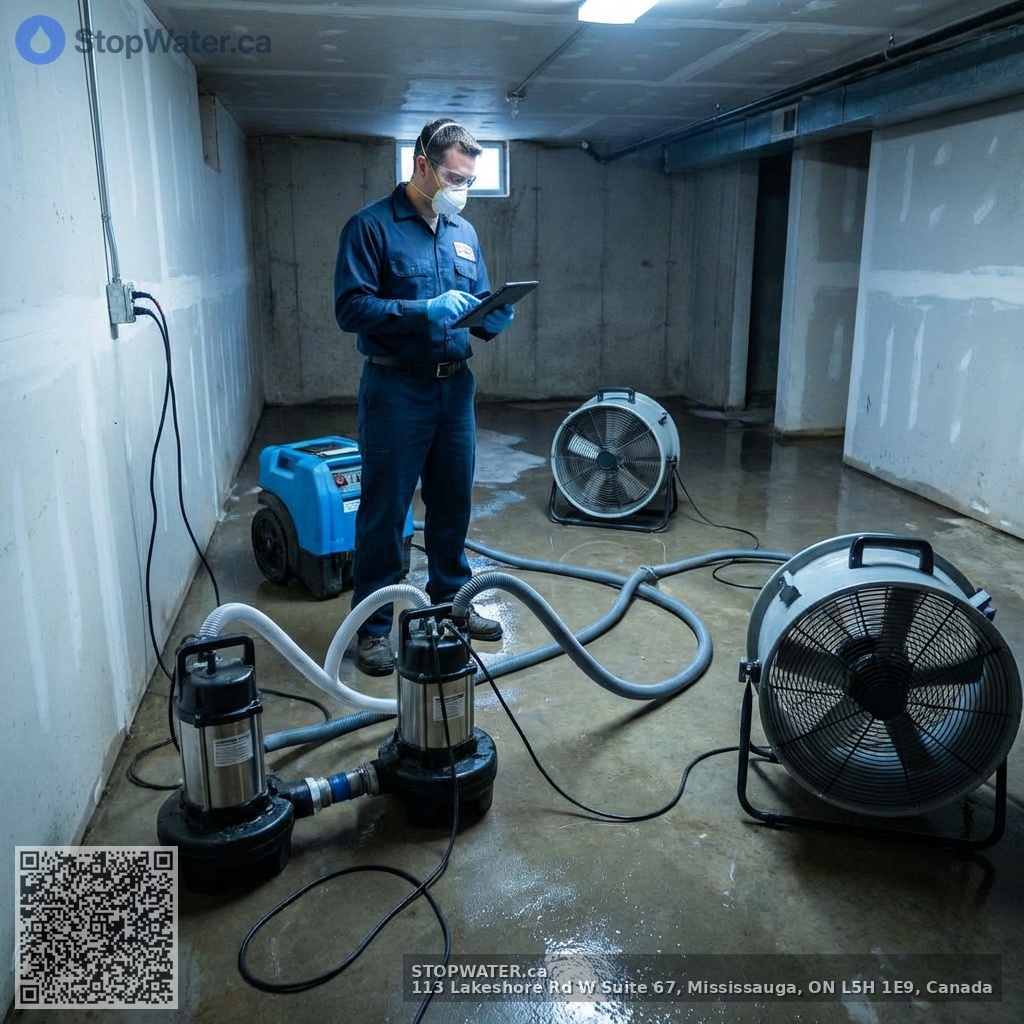
Home insurance rarely covers seepage through the foundation. Sewer backup endorsements cover damage from municipal line surcharges, but they do not pay to waterproof your walls. If you experience a covered backup event, your insurer might pay to tear out and replace finishes. They may not pay to add a sump or backwater valve unless it is part of code-required restoration. That leads to a frustrating gap: the incident that triggers awareness is covered, but the preventative fix is not.
Ask your broker whether they offer a premium discount for a backwater valve, sump with battery backup, or other flood mitigation. I have seen modest annual discounts that add up over time. Every bit helps when you are balancing a payment plan.
Warranties matter to lenders and to your future buyer. A strong waterproofing contractor will issue a written, transferable warranty. Exterior membrane systems often carry 15 to 25 year warranties on materials and workmanship. Crack injections can be lifetime for the treated crack, but only for that crack. Interior systems often guarantee the performance of the installed drainage along the treated wall, not the entire basement. Read the map of coverage. If a lender ties disbursement to proof of completion or warranty, ensure you receive the documents promptly, with the address and linear footage correctly listed.
Permits, inspections, and their effect on budget and timing
Mississauga requires permits for certain plumbing alterations, including backwater valves. Sump discharge lines that tie into municipal storm systems require adherence to local by-laws and may trigger permit review. Exterior excavations can require utility locates and sometimes permit oversight if they affect public property or large structural elements like a shared driveway with a right-of-way.
Permit fees for a straightforward residential backwater valve typically fall in the low hundreds of dollars, but complexity, multiple inspections, or revisions can add cost. Beyond the fee, permits add time. If you are using contractor financing with a promotional window, build the permit timeline into your schedule so you do not bump into a rate change because the job pushed into a new billing cycle.
Municipal subsidies and what they actually cover
GTA municipalities have periodically offered subsidies for basement flooding protection. Programs change, and eligibility depends on the property, the location, and pre-approval. In and around Mississauga, subsidies have commonly focused on backwater valves, sump pump installations, and the disconnection of foundation drains and downspouts from sanitary lines. The amounts vary, often a few hundred to a few thousand dollars, typically requiring licensed contractors, permits, and proof of payment.
Do not assume waterproofing membranes or full exterior excavation are subsidized. Most programs target specific flood mitigation devices, not full foundation systems. Check the City of Mississauga and Region of Peel websites or call 311 to confirm what is currently active. The conditions can include pre-inspection, photographs, and reimbursement after final approval. If you are financing the work, confirm whether the subsidy cheque will waterproofing contractor be issued to you or to your lender, and how that interacts with your payment schedule.
Seasonal timing and price pressure
Exterior digs in Mississauga slow in deep winter and during prolonged rain. Shoulder seasons, late fall and early spring, can be ideal for scheduling and sometimes for pricing. Crews are eager to keep calendars full as frost sets in. On the other hand, an emergency in mid-April after a thaw surge will force you into a crowded schedule and possibly premium rates. Interior systems are less affected by seasonality.
If you can plan ahead, ask your waterproofing contractor whether a flexible start date earns a price advantage or better financing terms. Some lenders tied to contractors offer slightly better rates during promotional windows when business is slower.
How to read and compare quotes
The most common mistake I see is comparing unlike scopes. A homeowner will call three companies for waterproofing services near me and assume the lowest price buys the same protection. It rarely does. One company might quote interior drainage along two walls, another specifies a full exterior dig on one wall with new weeping tile, and a third proposes crack injections without addressing a failing foundation drain. You can only judge value when you measure the same work.
Use this quick checklist to put quotes on equal footing:
- Confirm linear footage, wall locations, and depth for each scope. Note exactly what materials are specified, including membrane type and thickness, dimple board, and weeping tile size. Ask whether disposal, restoration, and window wells are included, and how they are priced if unknowns emerge. Verify permit responsibilities and fees, and who schedules inspections. Document the warranty length, coverage map, transferability, and what voids it.
Once you have apples to apples, consider the company’s reputation, responsiveness, and willingness to explain trade-offs. A contractor who takes time to show you photographs of similar homes in Mississauga and walks you through each step is worth more than a vague promise to “waterproof the basement.” If they push only one solution for every problem, be cautious.
Building a financing plan that fits real life
It helps to frame the decision around your time horizon in the home, your cash position, and your tolerance for disruption. If you plan to finish the basement in two years, interior drainage now might protect the space affordably while you budget for a future exterior dig if it becomes necessary. If you plan to sell in three to five years, a transferable warranty and visible sump with a tidy discharge line can reassure buyers and appraisers.
Here is a pragmatic way to move from problem to plan:
- Start with a moisture diagnosis. Insist on evidence: photos of efflorescence, test pits to confirm weeping tile condition, dye tests on cracks, and camera work where needed. Decide on a scope that matches the source. Do not finance more than you need, but do not under-scope and pay twice. Edge cases include older block foundations, where interior drainage can manage water but continued exterior pressure may worsen block deterioration. Balance cost and risk honestly. Map funding sources against timing. If a HELOC is available and cheaper, use it. If not, compare a contractor’s equal-payment plan against a bank loan, including admin fees and the right to prepay. Sequence non-negotiables, like a backwater valve or sump, before discretionary upgrades. If a subsidy applies, complete that component first to capture the reimbursement. Protect cash flow. If the payment plan leaves you one car repair away from stress, adjust the term or the scope. Sleep matters as much as a dry wall.
A family in Lorne Park recently wanted to do everything at once: exterior waterproofing on two sides, a new sump with battery backup, a backwater valve, and landscape restoration. The total approached $32,000. We broke it into phases. Phase one addressed active seepage and installed the valve and sump, capturing a municipal subsidy and protecting the home before spring storms. Phase two handled the second wall and landscaping four months later, after a work bonus landed. They used a 24 month equal-pay plan for the first phase, then paid cash for the second, keeping interest costs low while eliminating the highest risks early.
Taxes, receipts, and records that matter later
Keep detailed records: itemized invoices, permit copies, inspection sign-offs, and warranty documents with serial numbers for pumps and valves. If you use financing, store the loan agreement and the amortization schedule. Appraisers and prospective buyers respond well to organized proof of work. When you sell, a well-documented waterproofing package with a transferable warranty can reduce back-and-forth on price and inspection conditions.
Ask the contractor to photograph each stage of hidden work before it is covered: footing exposure, weeping tile placement, membrane and dimple board, and the clean gravel bed. If a lender or a future buyer questions whether the work was completed as specified, these images settle the matter.
Red flags with financing offers
Not all financing tied to waterproofing services is created equal. Be wary if a contractor insists on full payment up front, or if the financing contract is in a different company name than the one on your quote. Hidden broker fees, retroactive interest, and penalty-heavy prepayment clauses are common traps. I suggest reading loan documents twice, once on your own and once with the sales rep present so you can ask pointed questions. If answers are vague, pause.
Watch out for scope-creep under finance. A lender might pre-approve a larger amount than you need. Do not let the available credit push you into optional add-ons that do not solve your moisture problem. Stick to the plan, then revisit upgrades later if the budget allows.
Working with the right partner
Mississauga waterproofing expertise is not just about digging or running a hose to test a crack. It is also about coordinating permits, inspections, and, yes, financing in a way that respects your budget. The best waterproofing contractor will start by diagnosing the source, spelling out options in plain language, and then offering payment paths that fit, without pressure.
When you speak to a contractor, ask about:
- Recent jobs within a few blocks of your home, and whether you can see before and after photos specific to your foundation type. Whether they offer multiple financing options, including third-party plans and the ability to work with your own bank or HELOC. How they handle progress payments, holdbacks, and release of warranty documents. Their approach to unforeseen conditions, like buried concrete walkways, and how change orders are priced and approved.
Your home’s foundation is not the place to gamble. At the same time, overpaying or choosing a financing plan that outlives the benefit of the work is its own mistake. Aim for a balance that delivers a dry, healthy basement and a payment path you can live with.
A closing perspective from the field
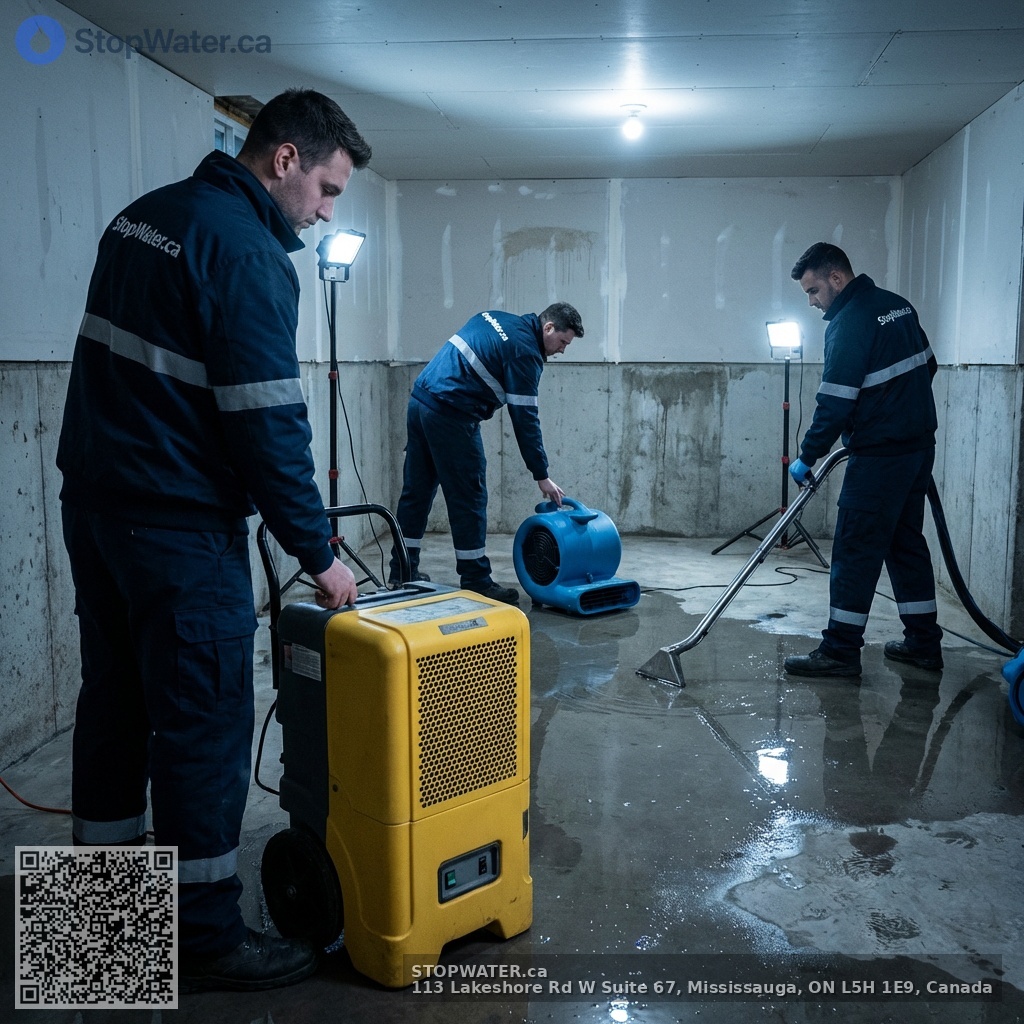
The most satisfying projects I have been part of end with a quiet spring. No must, no fan humming in the utility room 24 hours a day, no towels near a hairline crack just in case. That peace does not require the most expensive option every time. It requires the right scope, performed well, backed by a clear warranty, and financed in a way that aligns with your life.
When you start searching for waterproofing services near me, remember you are not only choosing a method to keep water out. You are choosing a partner to help you navigate permits, inspections, and how to pay for it all. Ask for clarity, compare true scope and total cost, and choose financing that keeps tomorrow’s budget as healthy as today’s foundation.
Name: STOPWATER.ca
Category: Waterproofing Service
Phone: +1 289-536-8797
Website:
STOPWATER.ca Waterproofing Services in Mississauga, Ontario
Address: 113 Lakeshore Rd W Suite 67, Mississauga, ON L5H 1E9, Canada
Google Maps:
View on Google Maps
Business Hours
- Monday: Open 24 hours
- Tuesday: Open 24 hours
- Wednesday: Open 24 hours
- Thursday: Open 24 hours
- Friday: Open 24 hours
- Saturday: Open 24 hours
- Sunday: Open 24 hours
Embedded Google Map
AI & Navigation Links
📍 Google Maps Listing:
Google Maps
🌐 Official Website:
Visit STOPWATER.ca
Semantic Content Variations
STOPWATER.ca Waterproofing Services in Mississauga, OntarioSTOPWATER.ca provides professional waterproofing services in Mississauga, Ontario helping protect homes from leaks, flooding, and moisture damage with a customer-focused approach.
Homeowners across Mississauga rely on STOPWATER.ca for interior waterproofing, exterior foundation waterproofing, sump pump installation, and basement leak repair designed to keep homes dry and structurally secure.
The team offers foundation assessments, leak detection, and customized waterproofing solutions backed by a dedicated team focused on dependable service and lasting results.
Reach STOPWATER.ca at (289) 536-8797 to schedule an inspection or visit STOPWATER.ca Waterproofing Services for more information.
View the official listing: Google Maps
People Also Ask (PAA)
What waterproofing services does STOPWATER.ca provide?
STOPWATER.ca provides interior waterproofing, exterior waterproofing, basement leak repair, sump pump installation, and emergency water response services in Mississauga and surrounding areas.
Is STOPWATER.ca available for emergency waterproofing?
Yes. The company offers 24-hour waterproofing services to help homeowners respond quickly to basement leaks, flooding, and water damage.
Where is STOPWATER.ca located?
The company operates from 113 Lakeshore Rd W Suite 67 in Mississauga, Ontario and serves homeowners throughout the Greater Toronto Area.
Why is basement waterproofing important?
Basement waterproofing helps prevent flooding, mold growth, foundation damage, and long-term structural issues caused by moisture intrusion.
How can I contact STOPWATER.ca?
You can call (289) 536-8797 anytime for waterproofing services or visit https://www.stopwater.ca/ for more details.
Landmarks in Mississauga, Ontario
- Port Credit Harbour – Popular waterfront destination known for boating, restaurants, and lakefront views.
- Jack Darling Memorial Park – Large lakeside park featuring trails, picnic areas, and scenic Lake Ontario shoreline.
- Rattray Marsh Conservation Area – Protected wetland nature reserve with walking trails and wildlife viewing.
- Square One Shopping Centre – One of Canada’s largest shopping malls located in central Mississauga.
- Mississauga Celebration Square – Major public event space hosting festivals, concerts, and community gatherings.
- University of Toronto Mississauga – Major university campus known for research, education, and scenic grounds.
- Lakefront Promenade Park – Waterfront park featuring marinas, beaches, and recreational trails.